In the shifting landscape of 2026 interior design, the armchair has transcended its utilitarian roots to become the most efficient communicator of personal taste. As we navigate an era defined by "Quiet Luxury," the home is no longer a showroom of excess, but a curated sanctuary of sculptural form and material integrity.
The Sculptural Heritage: Dark Oak & Hand-Finished Leather
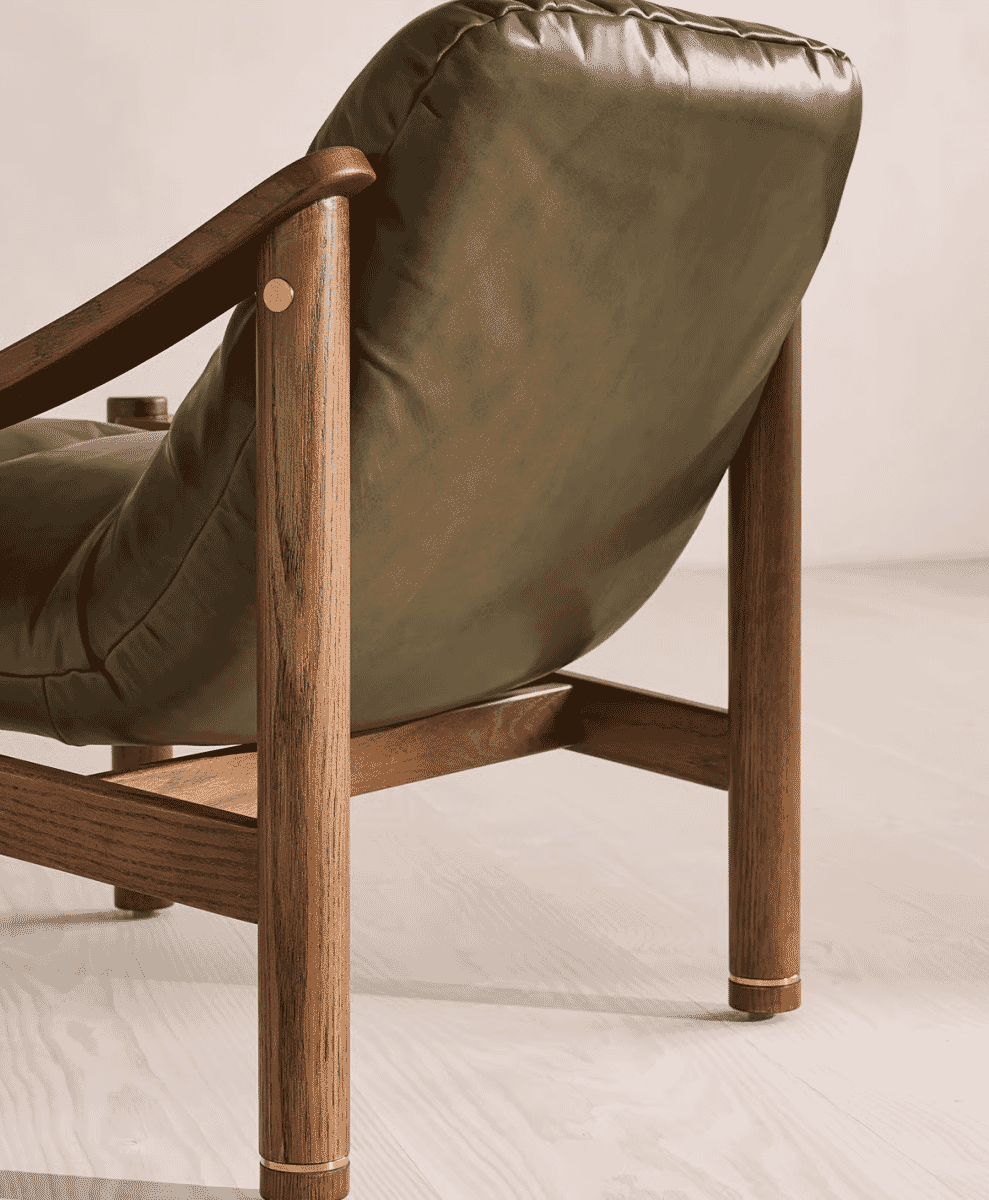
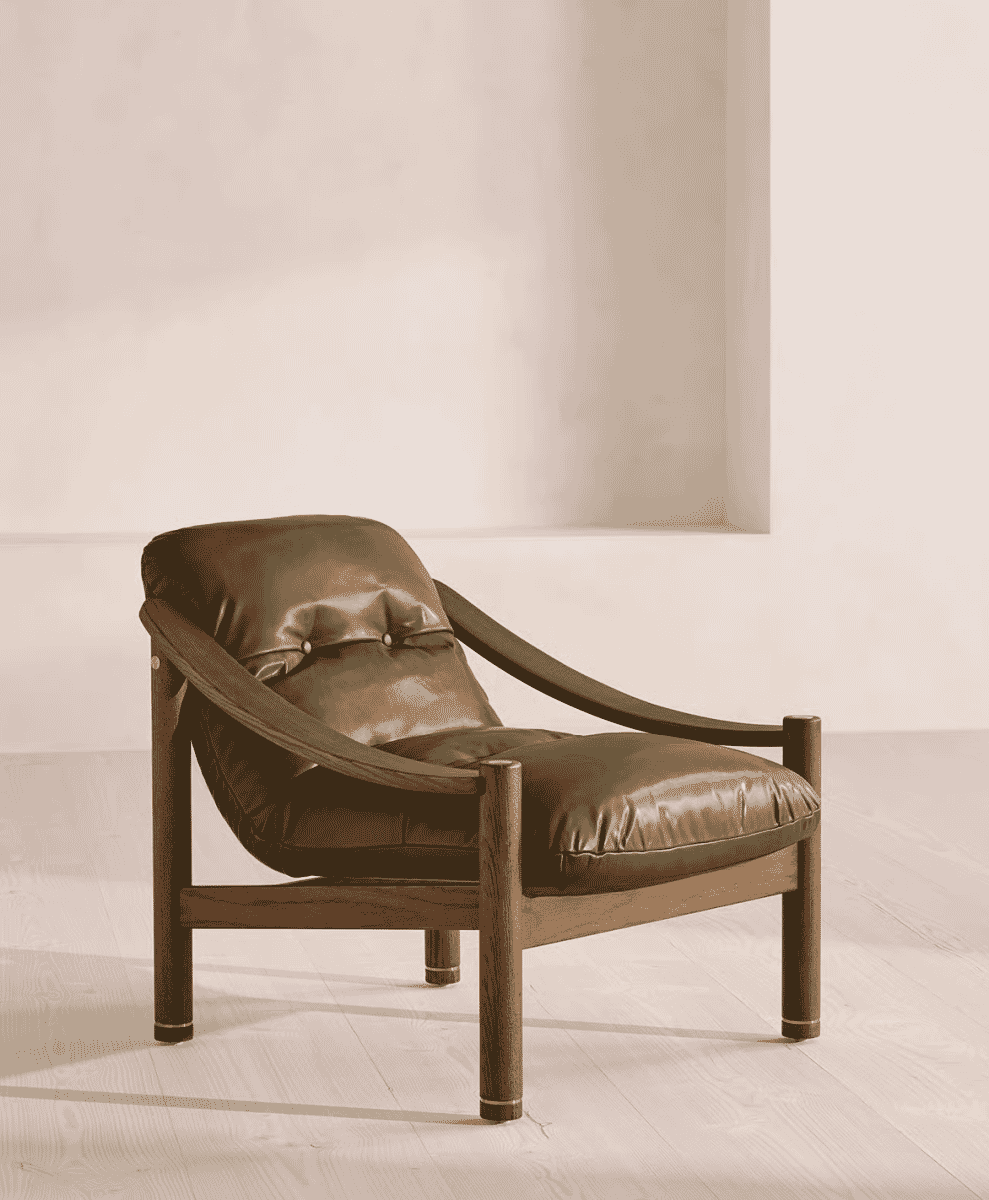
The 'Karine' style aesthetic represents a pivotal return to the principles of material honesty. In these pieces, the architectural clarity of dark-stained oak provides a rigorous frame for olive green and deep tobacco leathers. When investing in such a piece, observe the joinery; the way the timber meets the upholstery reveals the artisanal heritage behind the design. As these materials age, they develop a unique patina—a hallmark of luxury that cannot be manufactured, only earned through time and use. This is the quintessence of an investment piece: furniture that grows more beautiful with every passing season.
The Tactile Revolution: Bouclé & Organic Volumes
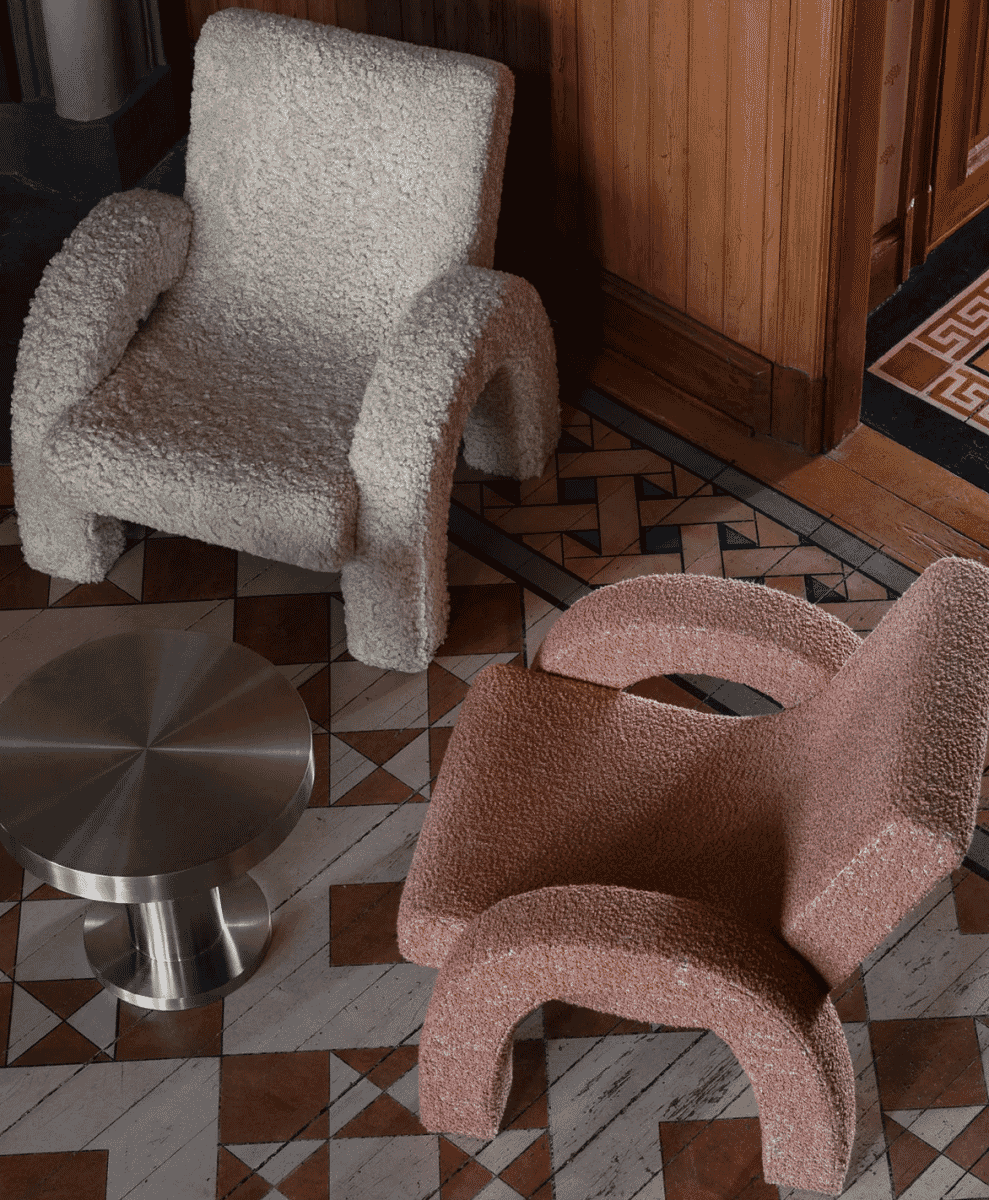
As we move toward a more sensory-focused interior, "tactile minimalism" has replaced the stark visuals of previous years. The 2026 palette is muted—dusty pinks, creams, and stone—allowing the texture of the fabric to command the room. These bouclé and organic-volume armchairs use high-pile textiles to create depth and warmth without the need for aggressive patterns. Positioned on geometric or polished concrete flooring, these soft, cloud-like silhouettes provide a necessary softening effect, balancing the hard lines of modern architectural spaces with a welcoming, biomorphic embrace.
Scandinavian Longevity: The Sheepskin Iconic

True luxury is synonymous with longevity, and few pieces embody this like the Swedese Lamino. Originally designed in 1956, its relevance in 2026 speaks to the enduring power of Scandinavian ergonomics. Crafted from FSC-certified oiled oak and layered with natural sheepskin, it represents a sustainable approach to high-end seating. The chair's low profile and curved backrest are designed to mimic the spine's natural curvature, offering a level of comfort that remains unsurpassed. In a modern interior, the Lamino acts as a bridge between the natural world and the built environment, especially when placed near floor-to-ceiling windows.
Architectural Lightness: Curved Veneer & Tubular Steel
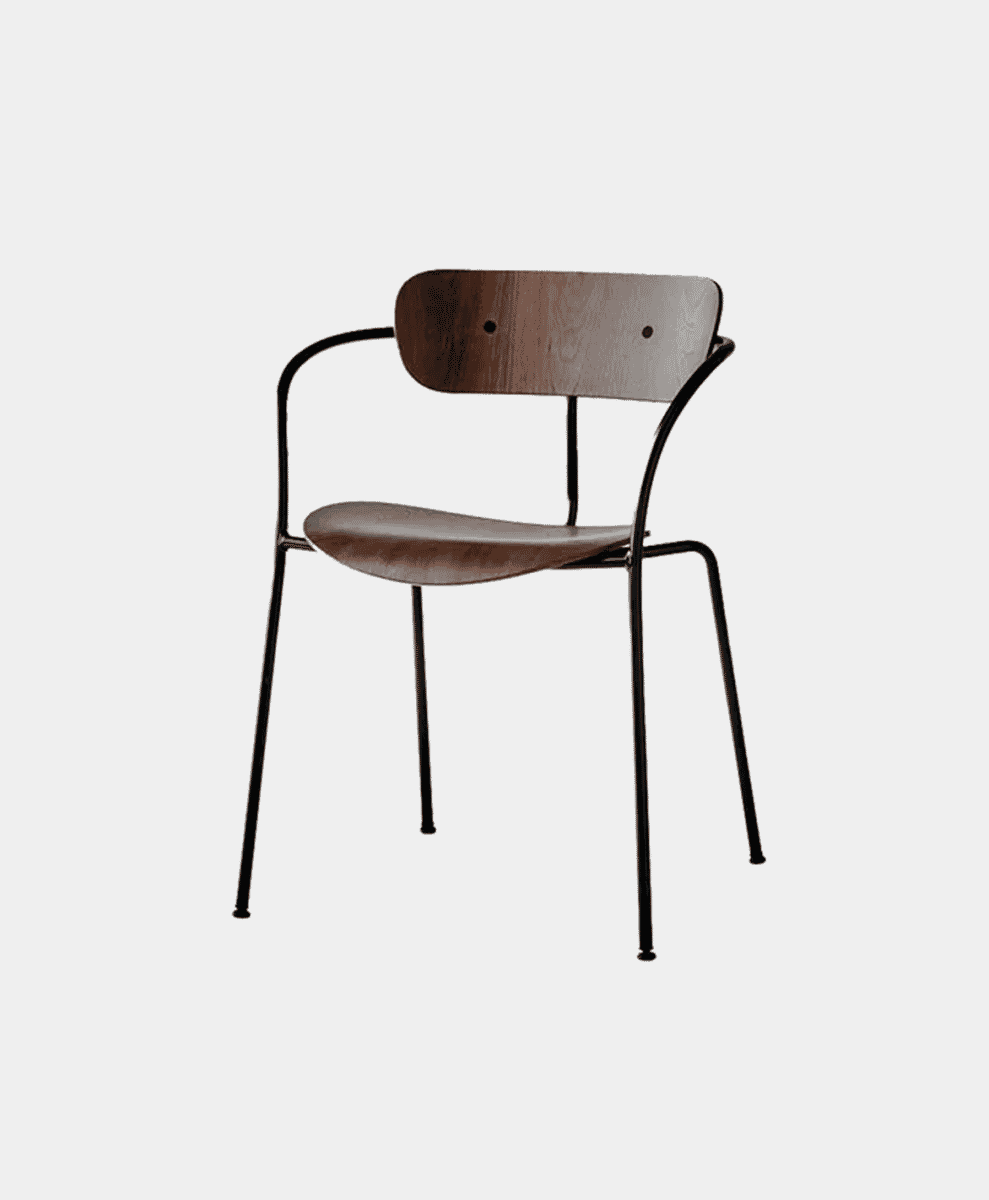
For urban environments where space is a premium, the &Tradition Pavilion chair (AV2) offers an "airy presence" that refuses to clutter a room. The marriage of coated walnut veneer and a slim, tubular steel frame creates a silhouette that feels almost weightless. This design trend highlights the utility of the "hybrid chair"—pieces that are sophisticated enough for a formal dining setting yet relaxed enough for an afternoon of reading. It is a masterclass in architectural economy, proving that a chair does not need physical bulk to command a high-end presence.
Biomorphic Comfort: Soft Silhouettes & Cognac Leather
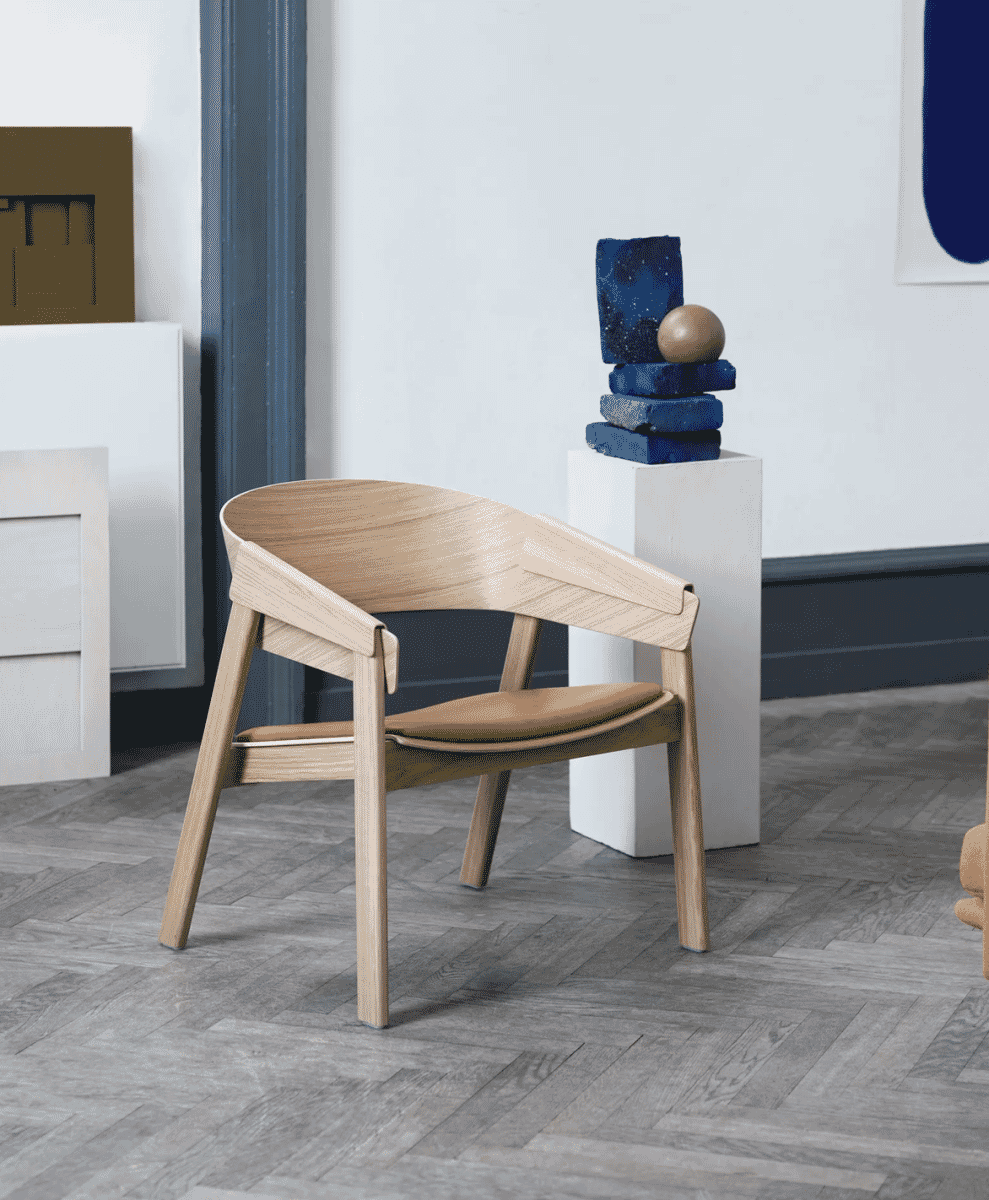
We are seeing a 42% growth in preference for organic shapes over rigid, mid-century modern lines this year. This shift toward biomorphic comfort is best seen in the evolution of the wooden lounge chair. By utilizing natural oak grain and smooth, hand-sanded curves paired with cognac leather, designers are tapping into a more primal sense of security. These shapes mirror the softness found in nature, providing a psychological reprieve from the digital world. The ergonomic benefit of a curved backrest is not just physical; it creates a sense of "enclosure" that makes the sitter feel anchored within the home.
The Informal Luxe: High-End Bean Bags & GOTS Textiles


The most surprising trend for 2026 is the elevation of informal seating. The Ferm Living Billow bean bag, crafted with GOTS-certified organic cotton, redefines what we consider "luxury." Gone are the flimsy versions of the past; these are structured, high-textile pieces designed for deep relaxation. This shift toward "informal luxe" reflects a broader cultural move toward effortless living. When styled in a master bedroom or a private library, these pieces signal a homeowner who values comfort as much as craftsmanship, proving that true luxury is, ultimately, the freedom to relax on one’s own terms.
When curating your interior for 2026, look beyond the initial visual impact and choose pieces with "living finishes" that will endure, age, and tell your story for decades to come.