If you’ve invested in luxury bond-builders and high-shine masks only to find your hair still looks lackluster, thinning, or perpetually greasy, the culprit isn’t your hair—it’s the skin it grows from. As we head into 2026, the industry is shifting toward "skinification," treating the scalp with the same clinical rigor we apply to our faces.
The 2026 Scalp Reset

Whether you’re dealing with stubborn flakes or slow growth, achieving your hair restoration goals in 2026 requires a fundamental shift in perspective. Think of your scalp as the "soil" for your hair. If the environment is clogged, inflamed, or neglected, no amount of expensive conditioner can fix the result. We’re moving away from generic washes and toward targeted, ingredient-led trichology.
Mistake 1: Washing Your Strands, Not Your Scalp
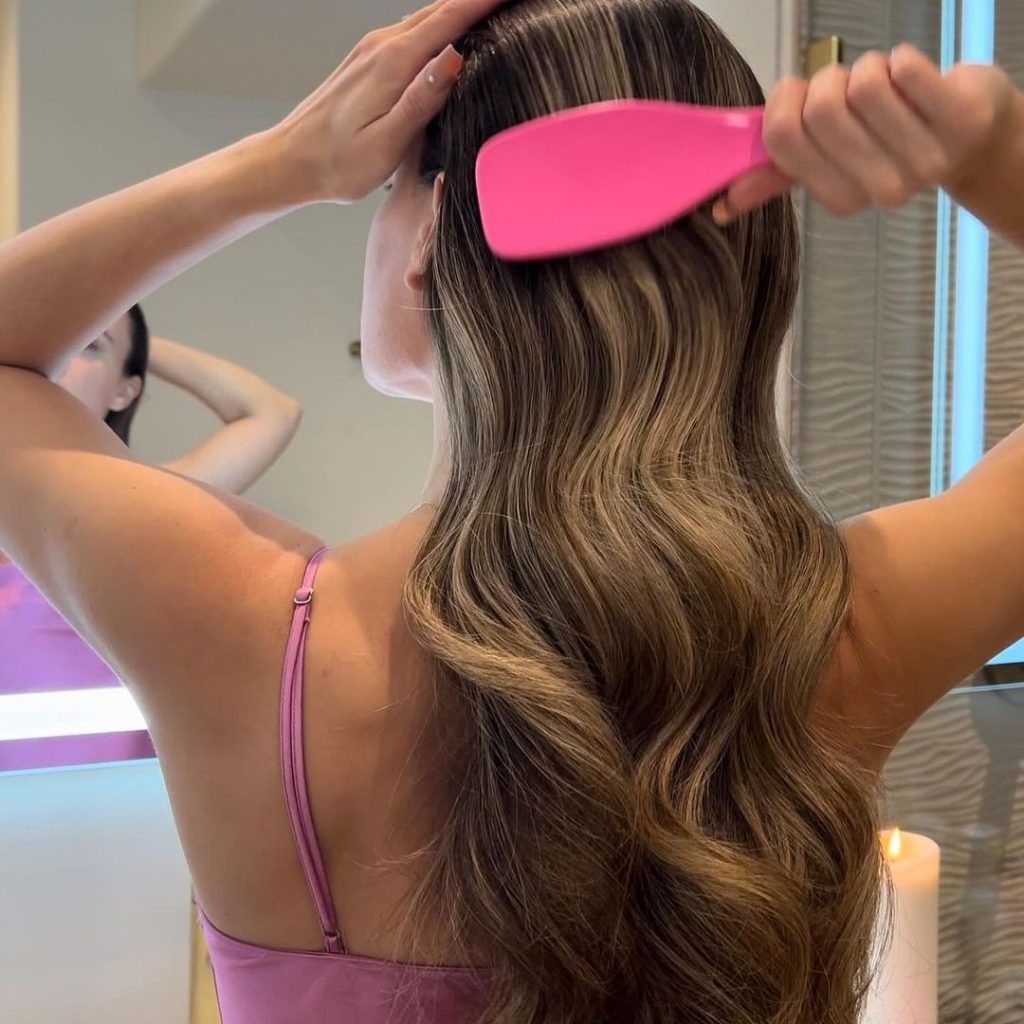
The Error: Many of us apply shampoo to the ponytail of the hair, lathering the mid-lengths while giving the roots a cursory scrub. This leaves a layer of oxidized oils and environmental pollutants right at the follicle opening.
The Expert Fix: Adopt the scalp vs hair washing philosophy. Shampoo is for the scalp; the suds that rinse down are sufficient for the ends. I recommend a double-cleanse technique: the first wash breaks down surface grime, while the second targets the follicle. Clinical data shows that consistent double-cleansing can reduce follicle-clogging sebum by up to 35%, creating a pristine environment for new growth.
Mistake 2: Falling for the 'Hair Training' Myth
The Error: The internet popularized the idea that you can "train" your hair to be less oily by skipping washes for weeks. This is a dangerous hair training myth. In reality, sebum production is regulated by hormones and genetics—not by how often you use soap.
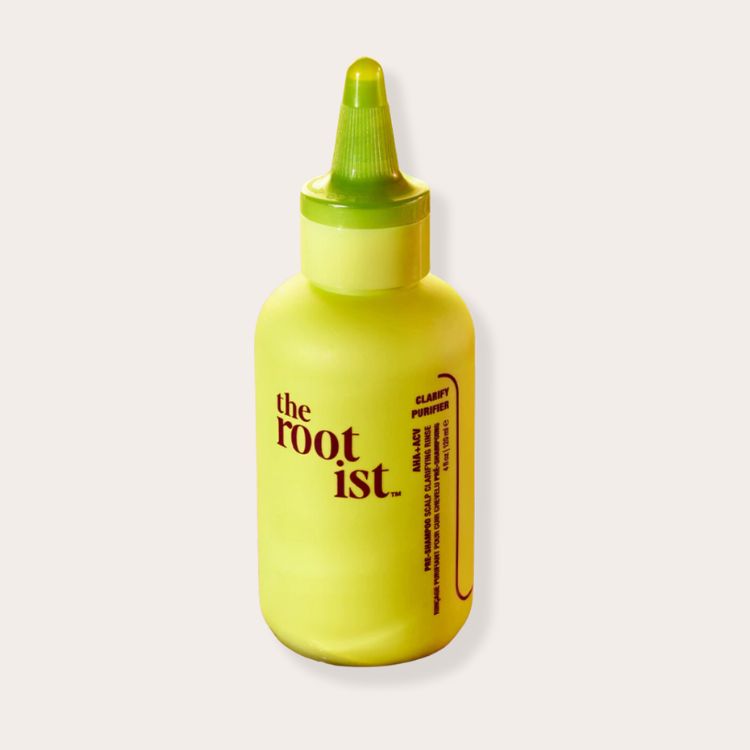
The Expert Fix: Leaving excess oil on the scalp leads to Malassezia (fungal) overgrowth and inflammation, which can actually cause hair shedding. Instead of "training," use a sophisticated clarifying solution like The Rootist Pre-Shampoo Scalp Clarifying Rinse. It manages oil without stripping the moisture barrier, ensuring you maintain a healthy pH balance without the build-up.
Mistake 3: Using Aggressive Physical Scrubs
The Error: Gritty physical scrubs with large particles can create micro-tears on the delicate scalp tissue, leading to irritation and potential infection. If you wouldn't use a harsh walnut scrub on your face, don't use it on your head.
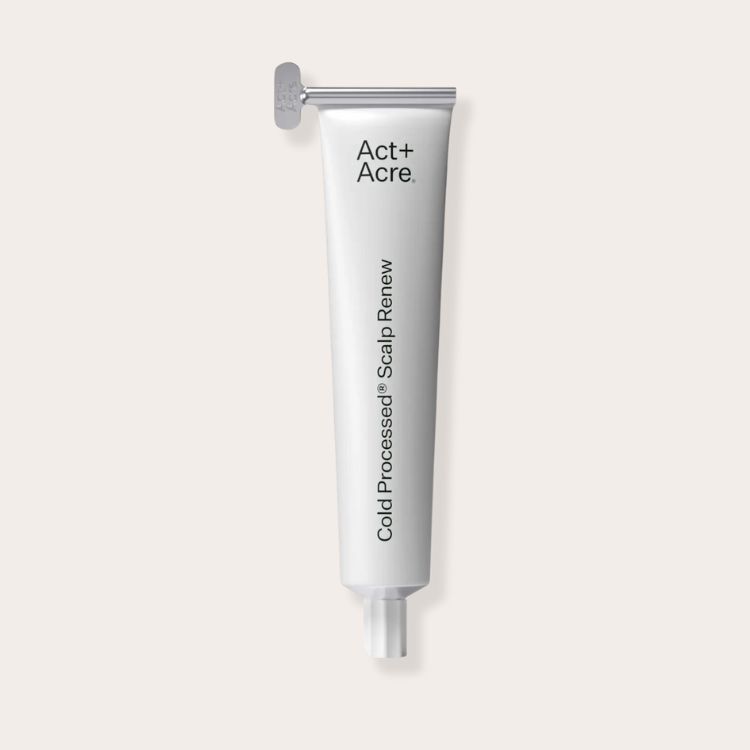
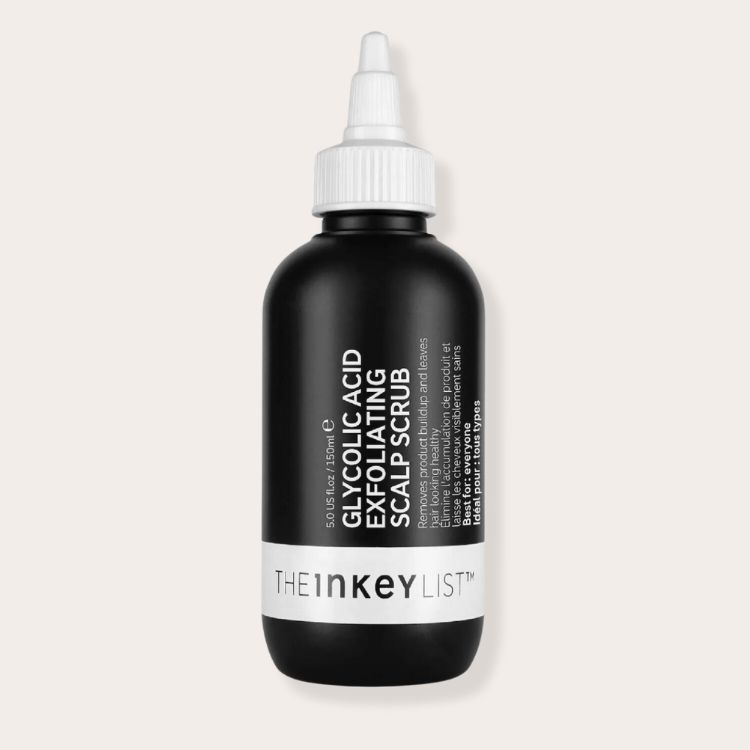
The Expert Fix: Transition to chemical exfoliation. These trichologist hair growth tips center on using AHAs and BHAs. Use a Salicylic Acid exfoliator (like Act + Acre) for oily buildup or a Glycolic Acid scrub (like The Inkey List) to dissolve dead skin cells. Studies indicate that 82% of patients reported improved hair density and reduced itchiness after switching to chemical-based scalp treatments.
Clinical Insight: Chemical exfoliants penetrate the follicle to dissolve "plugs" that physical scrubs simply can't reach.
Mistake 4: Ignoring Silicone and Product Buildup

The Error: Many "moisturizing" shampoos and conditioners are loaded with non-soluble silicones. While they make the hair feel silky, they act like plastic wrap on the scalp, suffocating the follicles and preventing active ingredients from penetrating.
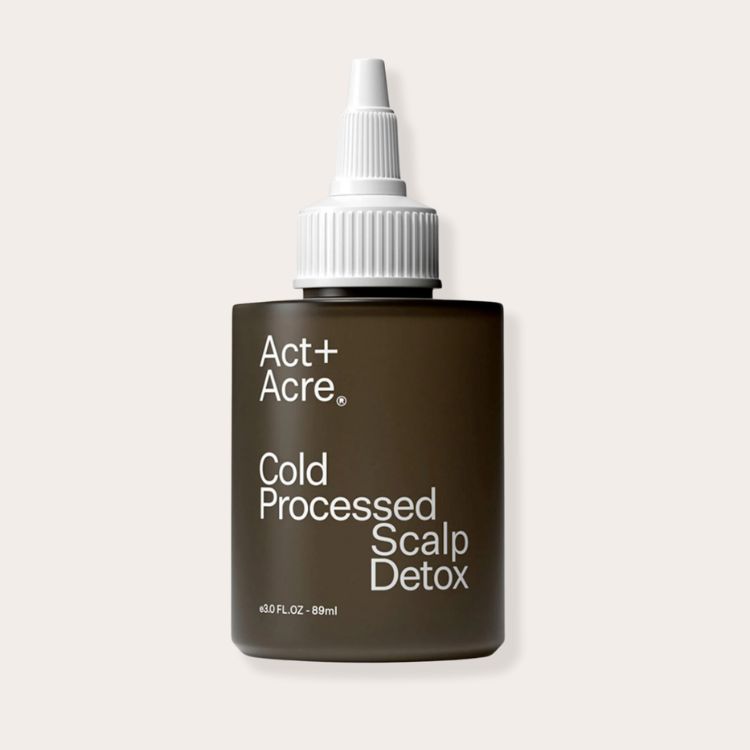
The Expert Fix: Incorporate a pre-wash "detox" oil. Products like the Act + Acre Cold Processed Scalp Detox or JVN Pre-Wash Treatment Oil use biomimetic oils to bind to silicones and heavy pollutants, allowing them to be rinsed away. Think of this as the "oil cleanser" phase of your hair routine—it’s the only way to truly dissolve stubborn, water-resistant buildup.
Mistake 5: Neglecting the 'Root' of Growth
The Error: Assuming that once your scalp is clean, your work is done. A clean scalp is neutral; a nourished scalp is productive. Ignoring the need for topical nutrients and microcirculation is a missed opportunity for density.
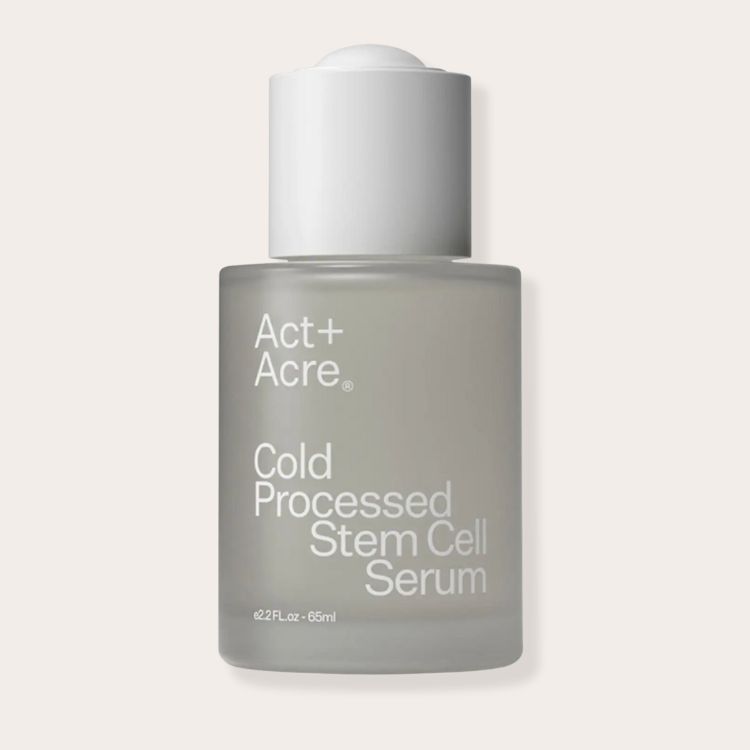
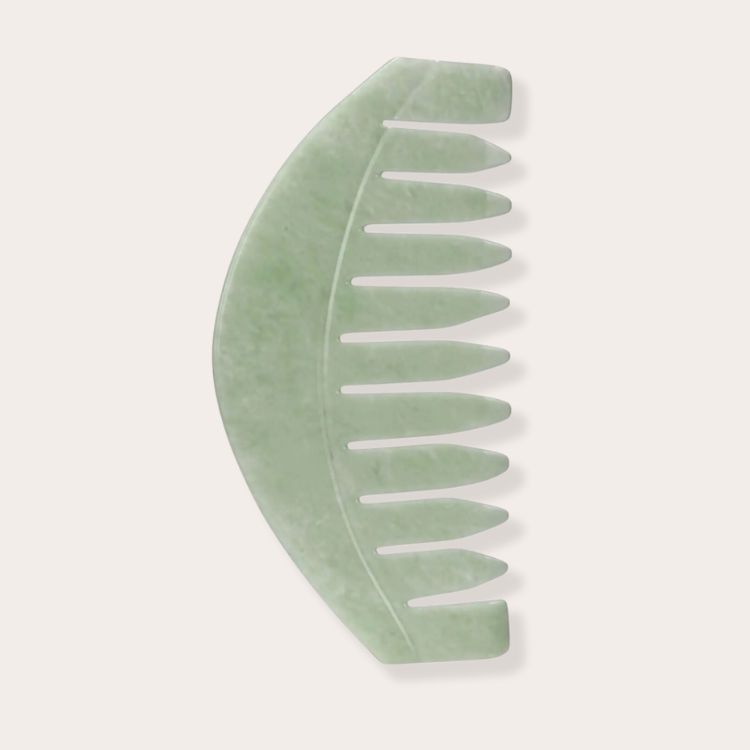
The Expert Fix: High-tech serums are the "night creams" of the hair world. Look for regenerative ingredients like the Act + Acre 2% Stem Cell Serum. To maximize absorption, pair your serum with a Scalp Gua Sha. This mechanical stimulation boosts blood flow to the follicles, ensuring that oxygen and nutrients are delivered where they are needed most. It’s an essential ritual for long-term scalp health and hair thickness.
Your 2026 Hair Restoration Strategy
The secret to salon-worthy hair isn't a secret at all—it’s science. By moving away from abrasive scrubs and debunked myths, and moving toward chemical exfoliation and nutrient-dense serums, you are setting a new standard for your hair’s future. Start your reset today, focus on the foundation, and the results will speak for themselves in your best hair year yet.