As an editor who lives at the intersection of high-performance textiles and holistic wellness, I’m always looking for ways to optimize my routine without sacrificing my schedule—or my style. Today, we’re retiring the arbitrary 10,000-step goal in favor of a scientifically-backed Japanese method that proves how you move is infinitely more important than how much you move.
Why 10,000 Steps is Yesterday’s News
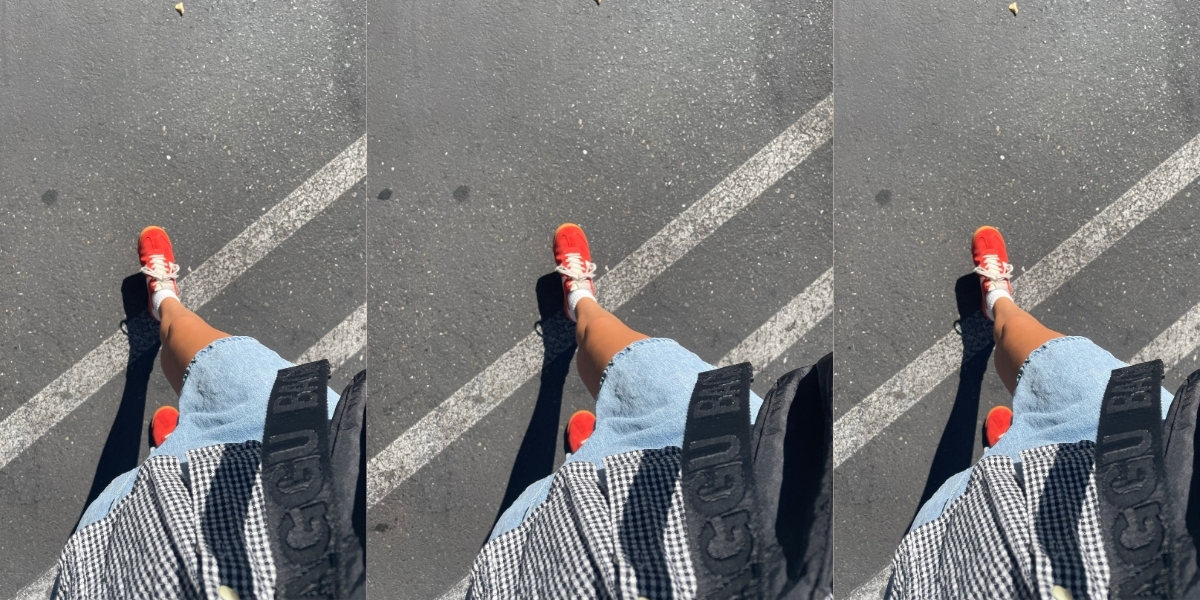
If you’re still chasing that 10,000-step notification like it’s a golden ticket to health, it’s time for a performance audit. The "10k steps" rule was originally a 1960s marketing campaign, not a medical standard. Enter Interval Walking Training (IWT), a method developed by Dr. Hiroshi Nose at Shinshu University. The aesthetic here is "efficiency meets elegance"—think a monochromatic, high-compression set that transitions seamlessly from the track to the juice bar. By swapping a two-hour leisurely stroll for 30 minutes of intentional, high-intensity intervals, you’re not just saving time; you’re triggering EPOC (Excess Post-exercise Oxygen Consumption), keeping your metabolism elevated long after you’ve kicked off your trainers. It’s the ultimate "quiet luxury" approach to fitness: maximum results with a curated, minimal time investment.
The Japanese '3+3' Secret: High-Intensity, Low-Impact
The beauty of the Japanese walking routine lies in its simplicity: the "3+3" rhythm. You cycle through three minutes of "Fast Walking" followed by three minutes of "Slow Walking." During the fast intervals, you should aim for about 70% of your maximum capacity. In the editorial world, we call this the "Talk Test"—you should be moving with enough vigor that you can only manage short, clipped sentences, not a full conversation.
From a style perspective, this routine demands gear that moves with you. Look for leggings with high elastane content to support the muscle oscillation that occurs during power strides. This isn't just a walk; it’s a low-impact explosive movement. The "slow" intervals at 40% capacity allow your heart rate to recover slightly before the next peak, optimizing your Aerobic Capacity without the joint-jarring impact of traditional HIIT running.
The Science of Longevity: 29x Better Results
Why are we obsessed with IWT? Because the data is staggering. Dr. Nose’s decade-long study followed over 5,000 participants and found that those practicing IWT saw a 29% improvement in aerobic fitness and a significant reduction in blood pressure compared to those hitting 10,000 steps at a consistent, moderate pace.
For the longevity-focused individual, this is about boosting VO2 Max—the gold standard measurement of cardiovascular health. In terms of physical changes, the study noted a 20% boost in leg strength. To complement this internal power, I recommend silhouettes that emphasize the form: high-waisted tech-shorts paired with a sleek, moisture-wicking racerback. It’s about feeling vibrant and active, embodying that "ageless" energy seen in city parks from Kyoto to Tokyo, where movement is a lifelong ritual, not a chore.
Mindful Movement: Posture and Presence
To truly master this routine, we look to Namba Aruki, a traditional Japanese walking style that emphasizes an upright spine and core engagement. Unlike the slouchy, tech-neck posture we often fall into during long walks, IWT requires a "power stance." Your shoulders should be relaxed but back, your chin parallel to the ground, and your core braced as if you’re wearing a subtle piece of shapewear.
Pro-Tip: Focus on your heel-to-toe transition. A sharp, intentional strike and a powerful push-off from the toes ensure you’re engaging your glutes and hamstrings properly. This mindful approach protects your joints and turns a simple walk into a full-body alignment session. When your posture is locked in, even the simplest activewear looks like high-end couture. It’s about the presence you bring to the pavement.
Your 30-Minute Blueprint
Ready to ditch the step counter? Here is your high-performance blueprint for the week. Aim for four days of IWT to see optimal results.
- The Warm-up (5 mins): Easy pace, focusing on mobility and rhythmic breathing.
- The Work (20 mins): Repeat the 3+3 cycle five times. 3 minutes at a brisk "power stride," 3 minutes at a recovery pace.
- The Cool-down (5 mins): Slow walk, focusing on deep diaphragmatic breathing to lower cortisol levels.
Advanced Edit: If you’ve mastered the 30-minute interval and want to level up your resistance, consider adding a weighted vest (aim for 5-10% of your body weight). It adds a utilitarian, "gorpcore" edge to your look while significantly increasing the caloric burn and bone density benefits. Pair it with trail-ready sneakers for a rugged, high-fashion fitness aesthetic.
The Wellness Takeaway
The Japanese 30-minute routine is a masterclass in intentionality. It reminds us that fitness shouldn’t be a grueling slog to reach a five-digit number on a screen, but a sharp, refreshing ritual that leaves us feeling empowered rather than exhausted. By prioritizing intensity over volume, you gain back your most precious resource—time—while giving your body the metabolic stimulus it craves. Start tomorrow morning: lace up, set your timer, and find your rhythm.
True style starts with the strength and confidence that comes from a body in peak alignment.